Heels vs Flats for Your Wedding Day: The Complete Guide
One of the most debated decisions in bridal fashion isn't the dress — it's the shoes. Heels vs flats for your wedding day is a question every bride faces, and the answer is rarely one-size-fits-all. Whether you're drawn to the elegance of a crystal heel or the ease of a beautifully crafted flat, this complete guide will help you make the right choice for your day, your venue, and your comfort.
When to Choose Heels for Your Wedding
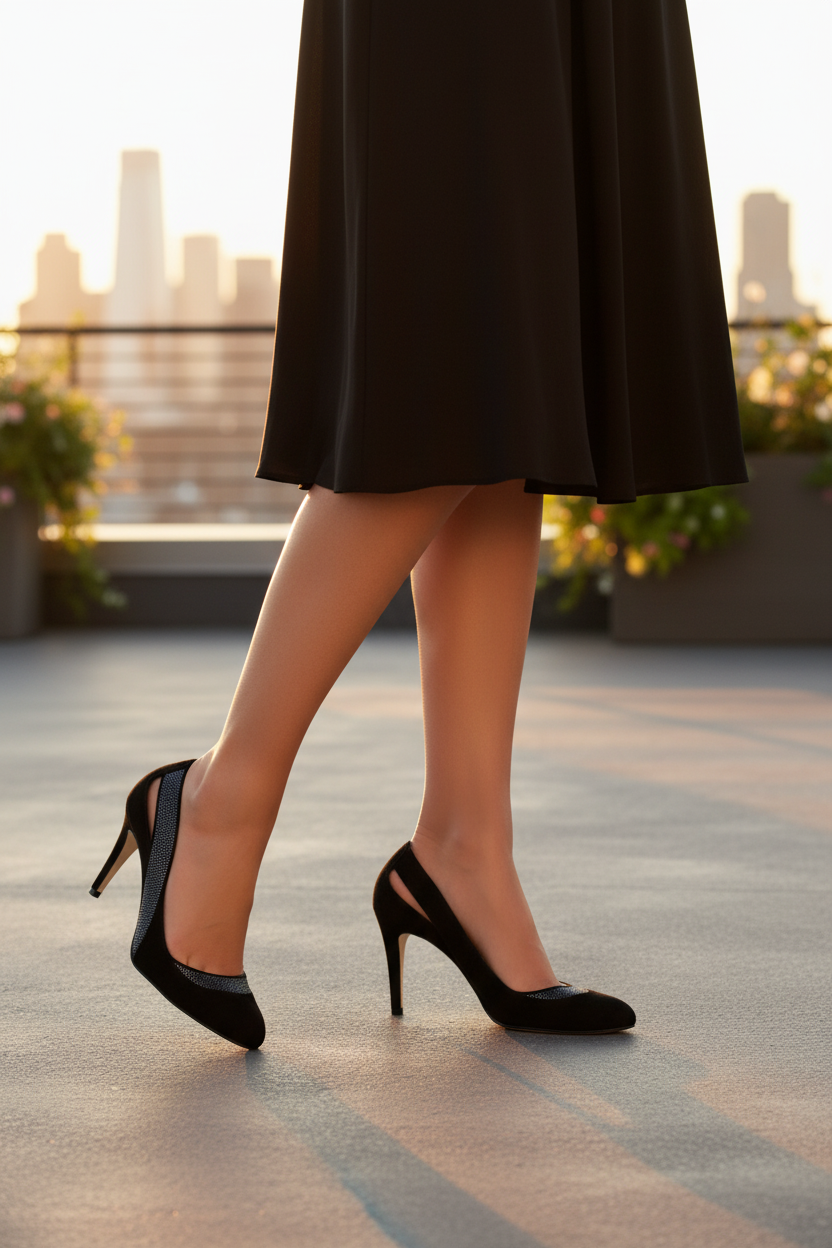
Heels are the classic bridal choice for good reason. They elongate the leg, add height for photos, and lend a sense of occasion to any gown. Bridal heels work especially well in the following scenarios:
- Indoor or church ceremonies — smooth floors mean heels won't sink or catch.
- Formal or black-tie weddings — a heel elevates the overall look to match the dress code.
- Floor-length gowns — heels ensure your hem sits perfectly and doesn't drag.
- Shorter ceremonies — if you'll be seated for much of the event, heels are far more manageable.
- Brides who wear heels regularly — if you're comfortable in them day-to-day, your wedding day won't feel like a stretch.
Our Pick: ANKA Iridescence Snakeskin Sandals
For a heel that turns heads without sacrificing comfort, the ANKA Iridescence Snakeskin Sandals are a stunning choice. The iridescent snakeskin texture catches the light beautifully, making them a statement piece that pairs effortlessly with both classic and contemporary bridal gowns.
Shop the ANKA Iridescence Snakeskin Sandals →
Our Pick: NARDU Swarovski Crystal White Sandals
If you want the ultimate in bridal glamour, the NARDU Swarovski Crystal White Sandals deliver. Hand-set crystals catch every beam of light, from the ceremony aisle to the dance floor. A cushioned footbed makes these one of the most comfortable wedding shoes in our heels collection.
Shop the NARDU Swarovski Crystal White Sandals →
When to Choose Flats for Your Wedding
Flats have shed their reputation as a compromise — today's luxury bridal flats are every bit as elegant as their heeled counterparts, and they come with the added benefit of all-day wearability. Consider flats if:
- Your venue is outdoors — grass, gravel, and cobblestones are no match for a well-made flat.
- You're planning a long reception — if dancing until midnight is the plan, flats will keep you going.
- You're significantly taller than your partner — flats can help balance proportions naturally.
- You have foot, ankle, or back concerns — flats reduce strain across the entire body.
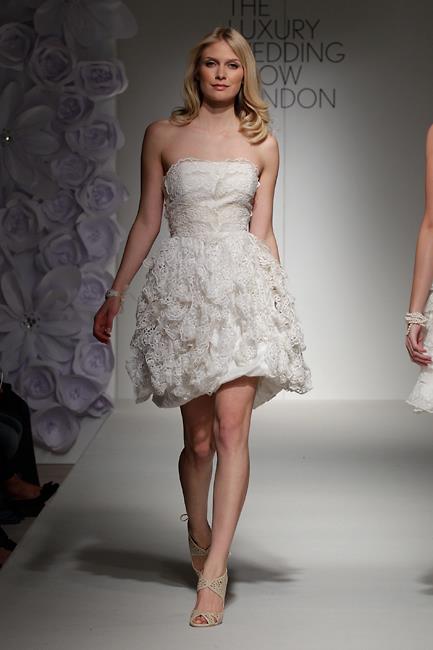
- Your dress is tea-length or shorter — flats look particularly chic with midi and mini bridal styles.
Our Pick: HANYA Swarovski Crystal Flower Flat White Sandals
The HANYA Swarovski Crystal Flower Flat White Sandals are proof that flats can be just as show-stopping as heels. Delicate crystal flower detailing adds a romantic, feminine touch, while the flat sole ensures you'll be comfortable from the first dance to the last.
Shop the HANYA Swarovski Crystal Flower Flat White Sandals →
Our Pick: AKALA Laser Cut Detail Sandals
For the modern bride who wants something a little different, the AKALA Laser Cut Detail Sandals offer intricate craftsmanship in a flat silhouette. The precision laser-cut detailing creates a striking visual effect that works beautifully for both boho and contemporary weddings.
Shop the AKALA Laser Cut Detail Sandals →
The Wear Both Strategy: The Best of Both Worlds
You don't have to choose just one pair. Many brides opt for a two-shoe strategy — heels for the ceremony and photos, flats for the reception. This approach is increasingly popular and completely practical. Here's how to make it work:
- Choose shoes in a similar colour palette so the transition feels intentional, not accidental.
- Keep your flats in a small bridal bag or have your maid of honour hold them.
- Plan your outfit change for a natural break — after dinner, before the first dance, or at the start of the evening reception.
- Make sure both pairs are broken in before the day — never debut unworn shoes at your wedding.
For more on breaking in your shoes comfortably, read our guide on How to Break in Shoes Without Pain.
Common Mistakes Brides Make With Wedding Shoes
Even the most carefully planned bridal look can be undone by a shoe misstep. Here are the most common mistakes to avoid:
- Buying shoes you've never worn before on the day — always break them in first.
- Choosing style over fit — a shoe that doesn't fit properly will cause pain regardless of how beautiful it looks.
- Forgetting about the venue surface — stilettos on grass or cobblestones are a recipe for disaster.
- Not considering your dress hem — always try shoes on with your dress (or a similar heel height) to check the length.
- Leaving it too late — luxury bridal shoes can have lead times; order at least 3–4 months in advance.
- Ignoring comfort entirely — even the most stunning heels vs flats wedding decision should factor in how you'll feel after 8 hours.
Wedding Shoe Checklist
Use this checklist to make sure you've covered every base before your big day:
- ✓ Shoes purchased and delivered at least 8 weeks before the wedding
- ✓ Worn indoors for at least 3–4 sessions to break them in
- ✓ Tried on with your wedding dress to check hem length
- ✓ Venue surface considered (indoor, outdoor, grass, stone)
- ✓ Backup pair packed if using the two-shoe strategy
- ✓ Heel tips checked and replaced if worn
- ✓ Non-slip sole pads applied if needed
- ✓ Comfortable wedding shoes confirmed for the reception
Wedding Shoe Timeline
| Timeframe | Action |
|---|---|
| 6+ months before | Research styles, browse collections, shortlist favourites |
| 4–5 months before | Purchase shoes — allows time for delivery and any issues |
| 3–4 months before | Begin breaking in shoes with short indoor sessions |
| 2 months before | Try on with wedding dress; confirm hem length is correct |
| 1 month before | Check heel tips, apply non-slip pads if needed |
| 1 week before | Pack shoes, confirm backup pair if using two-shoe strategy |
| Wedding day | Wear with confidence — you've prepared perfectly |
Further Reading
Looking to go deeper on bridal footwear? These guides from IPILYA have you covered:
- How to Choose Luxury Wedding Shoes That Are Both Elegant and Comfortable
- Comfortable Luxury Heels Guide
- How to Break in Shoes Without Pain
Frequently Asked Questions
Should I wear heels or flats to my wedding?
There's no single right answer — it depends on your venue, dress, comfort level, and personal style. Heels are ideal for formal indoor weddings and floor-length gowns, while flats are perfect for outdoor venues, long receptions, or brides who simply prefer them. Many brides choose both: heels for the ceremony and comfortable wedding shoes (flats) for the reception.
Are bridal flats as elegant as heels?
Absolutely. Luxury bridal flats vs heels is no longer a question of elegance — it's purely a matter of preference. Styles like the HANYA Swarovski Crystal Flower Flat Sandals prove that flats can be just as breathtaking as any heel.
What are the most comfortable wedding shoes?
The most comfortable wedding shoes combine a well-cushioned insole, a secure fit, and a heel height (if any) that you're accustomed to wearing. Flats with padded footbeds and sandals with ankle straps tend to offer the best all-day comfort. See our full guide: How to Choose Luxury Wedding Shoes.
Can I wear heels on grass at my wedding?
Stiletto heels are not recommended for grass or soft outdoor surfaces — they will sink and become difficult to walk in. If your venue has outdoor areas, opt for a block heel, wedge, or flat. Alternatively, wear heels for indoor portions and switch to flats for outdoor sections.
How early should I buy my wedding shoes?
We recommend purchasing your heels vs flats wedding footwear at least 4–5 months before your wedding. This gives you time for delivery, breaking in, and a final fitting with your dress.
Is it OK to wear two pairs of shoes on my wedding day?
Not only is it OK — it's a brilliant strategy. Wearing heels for the ceremony and switching to flats for the reception is one of the smartest things a bride can do. Plan the transition in advance and make sure both pairs are broken in beforehand.