Handmade vs Mass-Produced Bridal Shoes: What Brides Should Know Before They Buy
The short answer: mass-produced designer heels are built for the shelf; handmade bridal shoes are built for your foot. Made in small batches by artisans, they use softer leathers, hand-set embellishment, and lasts shaped for hours of wear, which is why more 2026 brides are choosing ateliers over logos.
You know the names. The red-carpet heels, the crystal pumps in every airport boutique. They're beautiful, but ask any bride who changed into flip-flops by 9pm how they felt at hour six.
Here's what's changed: brides in 2026 are no longer paying for a logo attached to a factory production line. They're seeking out ateliers — small workshops where each pair is made by hand, one at a time. This guide explains the real differences, what to look for, and why comfort is a construction decision, not a compromise.
What "handmade" actually means
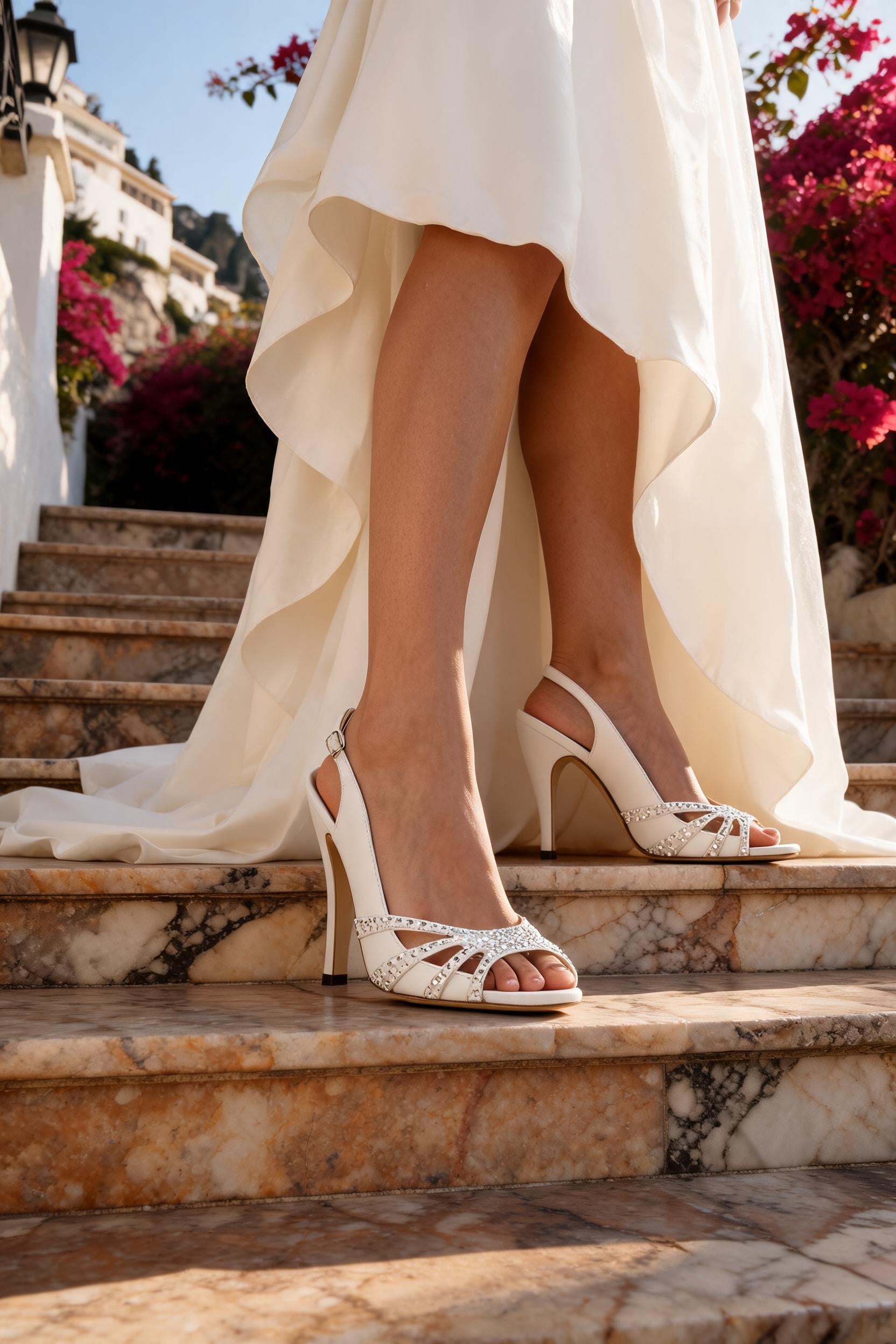
At IPILYA, every pair begins in the workshop in Italy. An artisan cuts the leather by hand, shapes it over a last refined for real feet (not runway samples), and sets each Swarovski crystal individually. One pair, one pair of hands. Mass production inverts this: hundreds of identical shoes per day, glued and pressed to a deadline, with comfort engineered out in favour of margin.
The comparison at a glance
| Handmade atelier (IPILYA) | Mass-produced luxury designer | |
|---|---|---|
| Production | One pair at a time, in-house workshop | Factory runs, outsourced |
| Fit | Lasts designed for all-day wear | Standardised, style-first lasts |
| Materials | Hand-selected Italian leather, hand-set crystals | Batch-bought, machine-applied |
| Comfort | Padding and balance built into the construction | Often an afterthought |
| Exclusivity | Small runs — you won't see them everywhere | Thousands of identical pairs |
Why handmade shoes are more comfortable
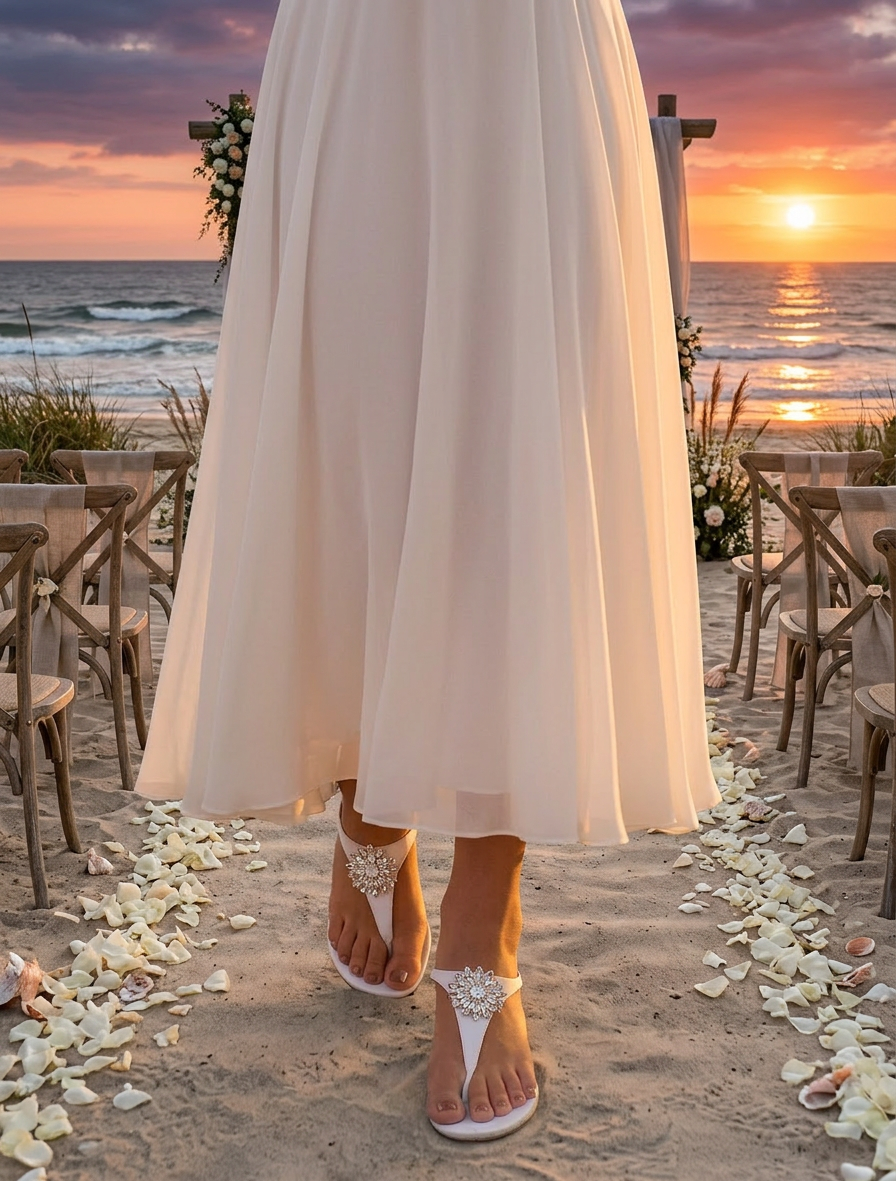
Comfort isn't a gel insert added at the end. It comes from the last (the foot-shaped form the shoe is built around), the heel's position under your centre of gravity, and leather soft enough to move with you. Because artisans work pair by pair, they can balance each shoe individually, the reason our brides wear NARDU sandals from ceremony to last dance without a backup pair.
What to look for when choosing bridal shoes
Check where the shoe is made and by whom "designed in" is not "made in". Ask about the last and heel placement, not just heel height. Press the insole: real padding compresses and recovers. And favour natural leather over synthetic satin; it breathes and softens with wear. For heel-height guidance by venue, see our Heels vs Flats wedding guide.
Frequently asked questions
Are handmade wedding shoes comfortable enough to dance in?
That's the point of them. Construction-led comfort, balanced heels, padded insoles, soft calfskin, means they're designed for the full day, not just for the photographs.
Can handmade shoes be worn again after the wedding?
Absolutely. Classic silhouettes in white, silver or gold work for evening events for years, slow fashion is part of the value.
Beautiful enough to remember. Comfortable enough to forget.
Your wedding shoes will appear in photographs you'll keep forever and carry you through the longest, happiest day of your life. Choose the pair made by hands, not machines.
Explore the IPILYA Bridal Collection →